Source Refillable Eco Friendly Mascara Tube for Cosmetics
Find 30 refillable eco friendly mascara tube options from verified manufacturers. Compare bamboo and PET materials, custom sizes, and printing methods to source sustainable packaging solutions for your brand; compare the available evidence and request quotations based on your requirements.
Key considerations
Products List


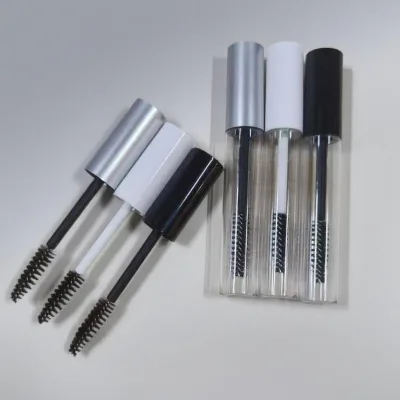


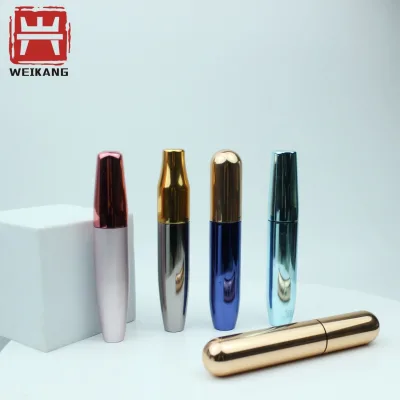


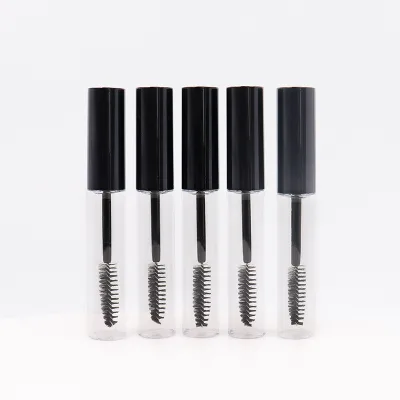

Comprehensive Sourcing Guide
Refillable Eco Friendly Mascara Tube Sourcing Guide
Procuring refillable eco-friendly mascara tubes requires distinguishing between genuine sustainable materials and standard plastic alternatives. The market currently features bamboo-based options that offer a distinct natural aesthetic and biodegradable properties, alongside PET models designed for specific volume constraints. Buyers must verify that the "refillable" claim is supported by a functional design allowing the wand to be replaced without discarding the entire container, ensuring the product aligns with circular economy goals.
Sourcing decisions should prioritize suppliers who explicitly list customization capabilities for logos, colors, and dimensions. While some listings highlight specific dimensions like 18.7mm diameter and 121mm height, others offer fully customized sizing to match unique brand requirements. It is critical to confirm whether the supplier provides free samples for initial evaluation, as this allows for a practical assessment of the refill mechanism and material quality before committing to a bulk order.
Product Scope and Observed Listing Signals
The observed product range includes specific models identified by codes such as YL-1-008-2 and PD-01134, which vary in material composition and intended application. Listings frequently describe these items as "Bamboo Mascara Tubes" or "Slim Empty Mascara Tube," indicating a focus on natural aesthetics and ergonomic design. Buyers should note that while some products are marketed with keywords like "Pink Mascara Tube," the primary sustainable offering often retains the natural bamboo color to emphasize its eco-friendly origin.
Commercial signals in the listings reveal a wide variance in Minimum Order Quantities, ranging from 100 units to as high as 12,000 units depending on the specific model and customization level. Pricing data suggests a broad spectrum from $0.08 to $1.50 per unit, reflecting differences in material costs and production complexity. Procurement teams must carefully align their order volume with the supplier's stated MOQ to avoid unnecessary capital expenditure or inventory risks associated with high minimum thresholds.
Technical Specifications to Verify
Dimensional accuracy is a primary technical requirement, with standard specifications often citing a diameter of 18.7mm and a height of 121mm, or alternatively 17.5mm by 133mm for different brush designs. Buyers must verify if the supplier accepts custom sizes, as the ability to tailor dimensions is a key differentiator for brands seeking unique packaging profiles. The material composition is equally critical, with bamboo and PET being the dominant options, each offering distinct advantages regarding weight, durability, and environmental impact.
Surface treatment and printing capabilities significantly influence the final aesthetic and brand identity of the packaging. Suppliers typically offer screen printing, laser engraving, and 3D printing options to apply logos and decorative elements directly onto the tube surface. It is essential to confirm that the chosen printing method is compatible with the specific material, such as bamboo or PET, to ensure the design remains durable and does not peel or fade during the product's lifecycle.
Compliance and Safety Documentation
Sustainable sourcing mandates rigorous verification of environmental certifications to validate eco-friendly claims. The supply chain should provide documentation for FSC certification, which confirms responsible forest management for bamboo materials, alongside ISO standards that ensure consistent quality management systems. Additionally, buyers should request evidence of EPR, Smeta, or TUV audits to ensure the supplier adheres to ethical labor practices and extended producer responsibility regulations required in many international markets.
Safety and regulatory compliance extend beyond environmental claims to include general product safety standards. Certifications such as CE indicate conformity with health, safety, and environmental protection standards for products sold within the European Economic Area. Procurement teams must ensure that all documentation is current and specific to the batch being ordered, as these certifications are often tied to specific manufacturing facilities and production processes rather than being generic company attributes.
Cost Drivers and Commercial Terms
The total cost of ownership is heavily influenced by the Minimum Order Quantity and the complexity of customization. While base prices may appear low, orders requiring specific logo printing, color variations, or non-standard dimensions often incur higher unit costs and stricter MOQs, sometimes reaching 10,000 pieces for certain models. Buyers should analyze the trade-off between unit price and order volume to determine the most economical strategy for their specific market launch or replenishment cycle.
Sample policies and shipping terms play a crucial role in the initial procurement phase and long-term cost management. Many suppliers offer free samples of 1 to 3 pieces, with the sample fee potentially refundable after a bulk order is placed, which reduces the financial risk of testing new designs. Furthermore, understanding the packing specifications, such as FCL or carton packing, is vital for logistics planning, as these factors directly impact shipping costs and the efficiency of the supply chain from the origin in China to the final destination.
Supplier Qualification and Quality Control
Supplier qualification requires a thorough review of their production capabilities and quality assurance protocols. Buyers should verify that the supplier has a proven track record in producing refillable tubes, as the mechanical integrity of the refill mechanism is a common point of failure. Requesting a detailed quality control plan that includes in-process inspections and final random sampling ensures that the delivered products meet the agreed-upon specifications for size, finish, and functionality.
Quality control also encompasses the consistency of the printing and surface treatment processes. Since the aesthetic appeal of bamboo and eco-friendly tubes relies heavily on the quality of the finish, buyers must ensure the supplier has the technical expertise to handle delicate materials without damage. Establishing clear acceptance criteria for visual defects, such as uneven printing or surface imperfections, is essential to maintain brand reputation and prevent customer dissatisfaction upon product launch.
Long-Term Procurement Checks
Sustainable procurement is an ongoing process that requires regular re-evaluation of supplier performance and material availability. Buyers should establish a schedule for periodic audits to ensure that the supplier continues to meet FSC and ISO standards as regulations evolve and supply chain dynamics shift. Maintaining a relationship with a supplier who can adapt to changing environmental standards ensures that the product remains compliant and marketable over the long term.
Continuous monitoring of lead times and production capacity is necessary to mitigate supply chain disruptions. Given the observed lead times and production volumes, buyers should maintain a buffer stock or develop a secondary sourcing strategy to handle unexpected demand spikes or logistical delays. Regular communication with the supplier regarding production schedules and potential bottlenecks allows for proactive management of inventory levels and ensures a steady supply of refillable eco-friendly mascara tubes.
FAQs
What materials are used for these refillable mascara tubes?
The tubes are primarily made from bamboo, offering a natural and sustainable option for eco-conscious brands. Some models also utilize PET plastic to ensure durability and leak-proof performance. These materials support the refillable design, allowing for repeated use while maintaining structural integrity for cosmetic packaging applications.
Can I customize the size and dimensions of the tube?
Yes, customization is available for both standard and specific size requirements. Standard dimensions include a diameter of 18.7mm with a height of 121mm, or 17.5mm diameter with 133mm height. You can also request custom sizes to fit specific product volumes, ensuring the packaging aligns perfectly with your brand's aesthetic and functional needs.
What certifications do these eco-friendly tubes hold?
These tubes hold several key certifications including FSC, CE, ISO, and Epr/Smeta/TUV Audit. These credentials verify compliance with international standards for sustainability, quality, and ethical manufacturing. The FSC certification specifically confirms the responsible sourcing of bamboo materials, supporting the eco-friendly claims of the product for global market acceptance.
What are the minimum order quantities for bulk purchases?
Minimum order quantities vary by product model, typically ranging from 100 to 12,000 pieces. Specific models may require MOQs of 2,000 or 10,000 pieces. These thresholds allow flexibility for both small trial orders and large-scale production runs, accommodating different business sizes and inventory strategies for mascara packaging suppliers.
How can I add my logo to the mascara tubes?
Logo application is supported through multiple printing methods including screen printing, laser engraving, and 3D printing. You can customize the logo and color to match your brand identity. These surface treatment options ensure high-quality, durable branding on the bamboo or PET material, enhancing the premium look of your cosmetic packaging.
Are samples available before placing a bulk order?
Free samples of 1-3 pieces are available for evaluation purposes. The sample fee is typically refunded after you place a bulk order. This allows you to verify the material quality, refillable mechanism, and printing results before committing to a larger purchase, reducing risk and ensuring product suitability for your specific needs.